

What is asset tokenization? A plain guide applied to sports projects
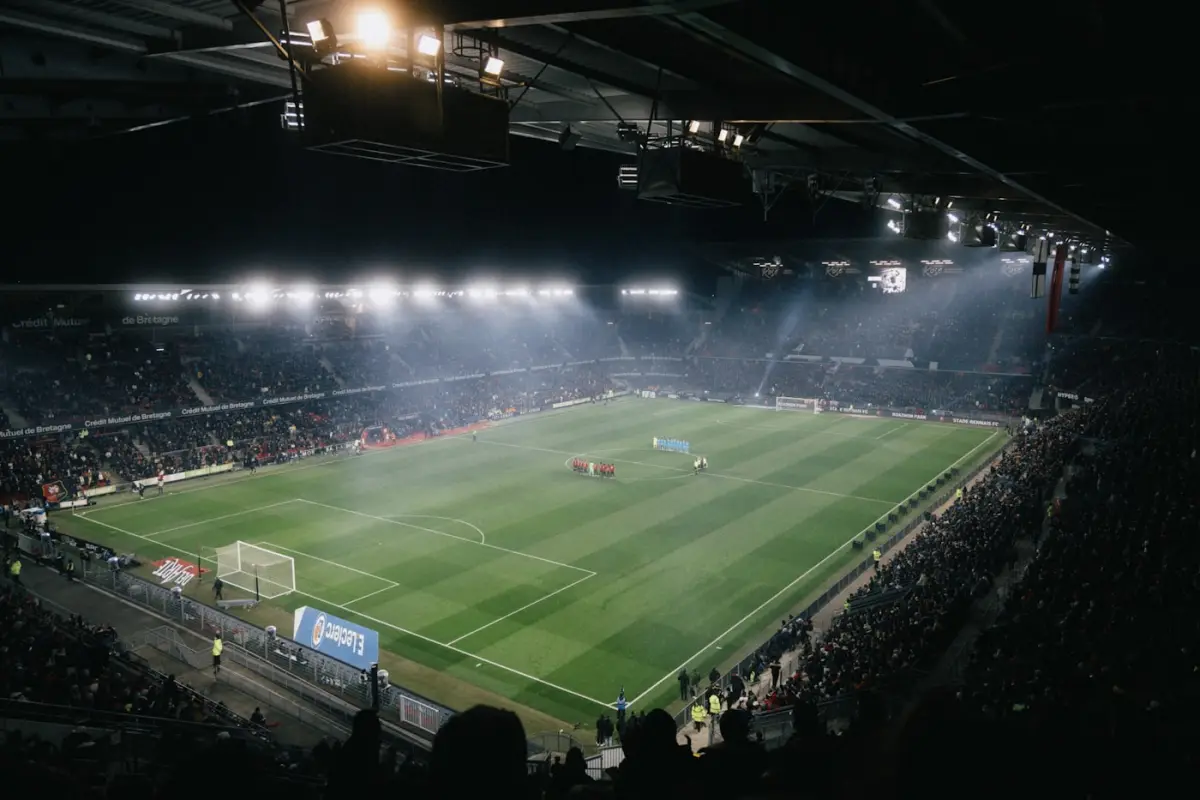
Asset tokenization means representing rights over a real asset, such as a building or a stadium's revenue, with digital tokens recorded on a blockchain. Each token stands for a share of those rights, so many people can take part with small amounts. In sports project tokenization, what is split is usually not the facility itself but the economic rights over part of its revenue.
What does it mean to tokenize an asset?
Tokenizing means turning a right into a digital record that can be split and transferred. That record is called a token and it lives on a blockchain, a shared database that no single party can change on its own.
The asset can be almost anything with economic value: a shop, a work of art, a loan or the revenue of a sports project. The token is not the asset itself. It is proof that its holder has a specific right over it, defined in a contract and in the offering documents.
So the key question is never "what technology does it use?" but "what right does this token give me?"
That right can be very different from one project to the next. Some tokens give access to a service or to perks. Others give a right to receive a share of some revenue. Others represent debt. The technology may be the same, but the economic and legal consequences change completely.
A blockchain also makes the record of who holds what easy to check. That transparency covers the token itself, not the asset behind it: you still rely on the issuer's reports to know how the asset is doing.
How does tokenization work, step by step?
Every project has its own details, but the process usually follows these stages:
- Asset selection. Decide what will be tokenized and which rights are offered (for example, a share of certain revenue for a set period).
- Legal structure. Define who issues the tokens, which contract links them to the asset and which rules apply.
- Issuance. Create the tokens through a smart contract that sets how many exist and how they move.
- Distribution. Offer the tokens to fans and investors under the offering's rules.
- Management. Keep holders informed during the project's life and, where applicable, pay out the agreed amounts.
You can see this flow in more detail on how Vestadium works.
How is it different from traditional ownership?
Tokenization does not remove the usual rules. It changes how rights are recorded and shared. This table sums up the main differences:
| Aspect | Traditional ownership or investment | Tokenized asset |
|---|---|---|
| Entry amount | Often requires large sums | Allows small amounts |
| Ownership record | Central registries and paperwork | Digital record on a blockchain, open to check |
| Transfer | Slow, with intermediaries and notaries | Faster, if the offering's rules allow it |
| Hours | Office and market hours | The network runs continuously |
| Liquidity | Depends on the asset's market | Not guaranteed; depends on finding a buyer |
| Legal framework | Well-established rules | Rules depend on the type of token |
Pay attention to the liquidity row. A token being technically easy to transfer does not mean someone will always want to buy it.
What is sports asset tokenization?
Sports project tokenization applies this idea to football stadiums, sports halls, youth academies and many more. Depending on each project, the tokens may represent shares in the project itself or debt issued by the club. The tokens will carry economic rights over the share of revenue the club decides, which may come from, among other sources:
- Ticket and season ticket sales.
- Sponsorship and naming rights.
- Renting the stadium for concerts and other events.
- VIP areas, boxes and hospitality.
To understand where that money comes from and what makes it rise or fall, read our guide on how a club makes money.
What are the benefits and limits?
For fans, tokenization opens a new way to connect with their club. For clubs, it is a financing route that sits alongside bank debt or selling the asset.
Like any investment, a project also carries risks, and the revenue committed may vary downwards. Before joining a project, review its risks carefully. You can check the section on the risks of investing in tokens.
At Vestadium, each project publishes its project sheet with the revenue included and the terms. A good project sheet should always answer three questions: what right you are buying, over which revenue and for how long.
Frequently asked questions
It is representing rights over a real asset with digital tokens on a blockchain. Each token stands for a share of those rights and can be transferred under the offering's rules.
Usually not. Sports project tokenization typically offers economic rights over part of the revenue, not ownership of the building. What each token gives you is set out in the project's documents.
That is not guaranteed. It depends on the offering's rules and on someone being willing to buy at an acceptable price.
Yes, but which rules apply depends on the type of token. In the EU, the MiCA Regulation covers many crypto-assets, while tokens that work as transferable securities fall under securities law, supervised in Spain by the CNMV.